
Heads up: Grembi is reader-supported. When you buy through links on this page, we may earn a commission at no extra cost to you. As an Amazon Associate we earn from qualifying purchases. How this works.
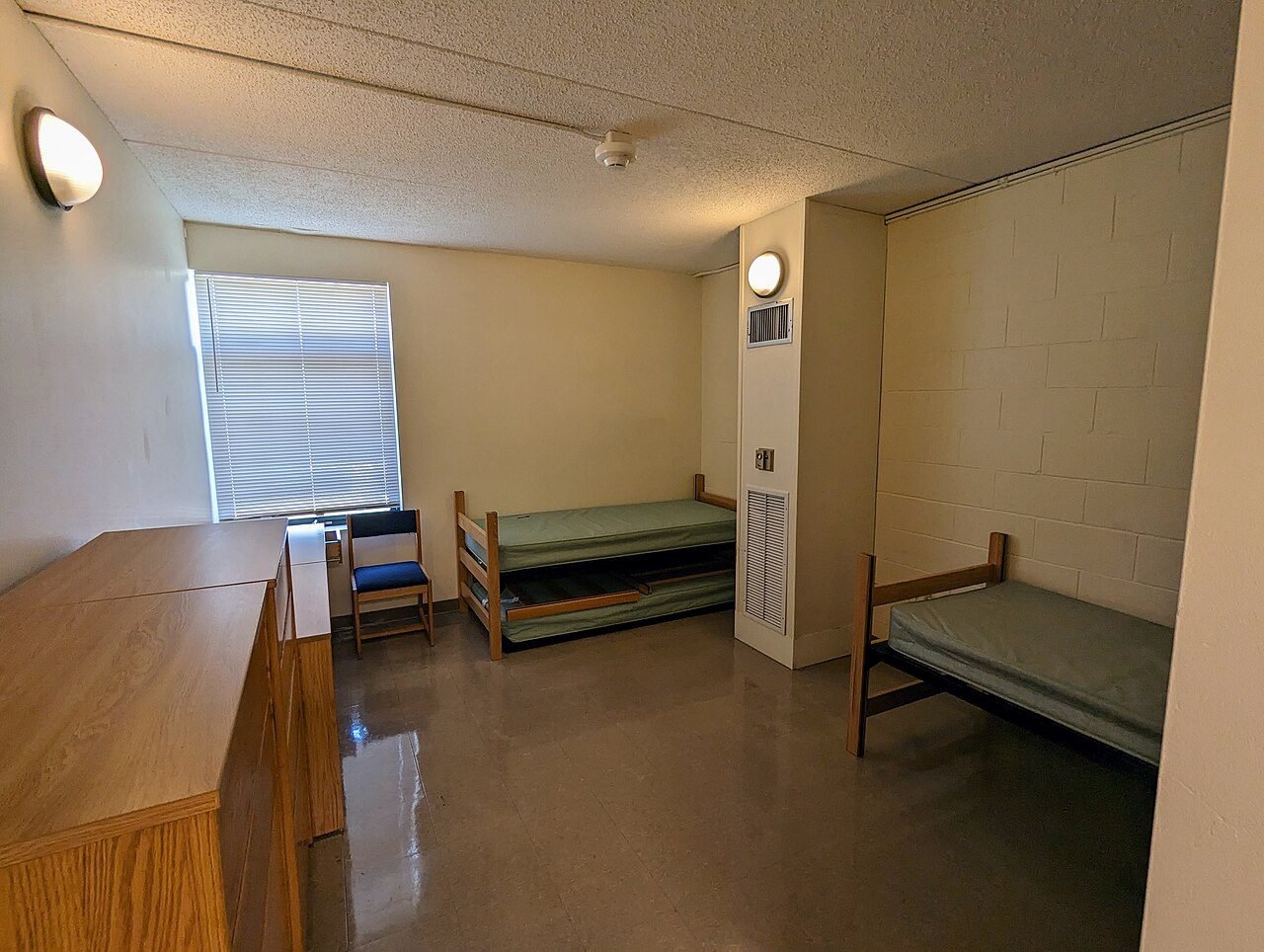
Every dorm shopping list online has 140 items on it. Your room has roughly the floor space of a parking spot, and half of it belongs to someone you met on a housing portal.
So this list is short on purpose. It covers the things that get used every single day (power, storage, sleep, study) and the things that tend to get flagged on room inspections. One big caveat before we start: every school writes its own housing rules. What’s fine at one campus is banned at the next. Check your housing handbook or residence life site before you buy anything that plugs in, heats up or lights up.
How we pick
- Used daily, not once. If you’d touch it less than once a week, it’s not on the list.
- Small-room friendly. Things that stack, hang, fold or slide under the bed.
- Safety notes from real sources. Electrical advice comes from the U.S. Fire Administration (USFA), the Electrical Safety Foundation International (ESFI) and a university safety office, linked below.
- No fake testing. We haven’t hands-on tested every item. Most picks are generic, so we link to search results and tell you what to look for. Brands can’t pay for a spot.
Power: the one thing to get right
You will have more things to charge than outlets to charge them. That’s where most dorm electrical trouble starts.
The USFA’s fire safety page for college students lists cooking, candles, smoking and overloaded power strips among the causes of fires in on- and off-campus housing. According to an ESFI dorm safety sheet citing the National Fire Protection Association, firefighters respond to an average of 3,810 fires at college residence halls and Greek housing each year.
1. A power strip with built-in overload protection
This is the most useful thing you’ll buy, and the one most worth getting right. USFA advises using only surge protectors or power strips with internal overload protection. ESFI says to check that electrical items, extension cords included, are certified by a nationally recognized testing lab such as UL, ETL (Intertek) or CSA.
Here’s the catch people miss: “surge protector” and “overload protection” aren’t the same thing. California State University, Chico’s safety office puts it bluntly: not all surge protection strips have overcurrent protection. Look for a strip whose listing mentions a built-in circuit breaker and a UL or ETL listing.
What to look for: UL or ETL listed, built-in circuit breaker, USB ports if you want fewer charging bricks, a cord long enough to reach your desk without an extension cord.
Browse UL-listed power strips on Amazon
Power rules worth following (from the sources)
- Don’t chain them. ESFI says not to connect multiple extension cords together. CSU Chico’s campus rules prohibit daisy chaining, meaning two or more power strips plugged together or a power strip plugged into an extension cord.
- Big appliances go straight into the wall. USFA says never to use an extension cord with large appliances like a refrigerator.
- Keep heat makers off the strip. CSU Chico prohibits using power strips with heat-producing appliances such as toasters, kettles and portable heaters.
- Don’t hide cords. ESFI says not to run cords under doors or carpets or pinch them with furniture. That’s tricky with a lofted bed, so check where the cord ends up.
- Extension cords are temporary. ESFI says they should never be used on a permanent basis.
- Unplug hot tools. ESFI says irons, hair dryers, curling irons and straighteners should never be left unattended and should be unplugged when not in use.
If your breaker keeps tripping, lights flicker, or an outlet feels hot, ESFI’s advice is to tell your resident director.
What your RA will probably confiscate
We can’t give you your school’s exact list, because there isn’t one list. But the items below come up often in college fire safety guidance, so they’re good ones to check against your handbook before you pack:
- Candles and incense. Candles are on USFA’s list of fire causes in college housing. USFA suggests flameless candles instead. Check whether your school allows even those.
- Cooking gear outside the kitchen. USFA’s advice is to cook only where it’s allowed. Hot plates, toaster ovens and coffee makers may fall under your school’s room rules. Check yours.
- Space heaters. CSU Chico lists portable heaters among the heat-producing appliances that can’t go on a power strip. Rules on using them in rooms vary, so if your room is cold, ask housing first.
- Daisy-chained power strips, plug-in outlet multipliers and grounding adapters. All three are on CSU Chico’s prohibited list, for example.
- Anything without a UL or similar listing, like no-name extension cords.
When in doubt, email residence life before move-in. It takes five minutes and saves you a confiscation slip.
Storage: use the space you can’t see
2. Under-bed storage bins
Low, lidded bins with wheels or handles that slide under the bed. This is where off-season clothes, extra snacks and the “stuff from home” box live.
Tip: measure the gap under your bed first. If your school allows bed risers or lofting, you may have more room than you think.
Browse under-bed bins on Amazon
3. Over-the-door organizer
Hangs on the back of the closet or room door with hooks. Good for shoes, toiletries or snacks. No drilling, no tools.
Browse over-the-door organizers on Amazon
4. Shower caddy
If you share a bathroom down the hall, a caddy with drainage holes is the difference between a smooth morning and three trips. Mesh caddies dry faster.
Browse shower caddies on Amazon
5. Removable adhesive hooks
Command hooks (or similar) let you hang a towel, a backpack or headphones without nails. Follow the removal instructions on the pack when you move out, and check whether your school allows adhesives on walls.
Browse Command hooks on Amazon
Sleep: the most underrated category
6. Mattress topper
Dorm mattresses are, let’s say, built to last more than built to love. A foam topper is the single biggest comfort upgrade you can make. Check your school’s mattress size before you buy (and buy sheets in the same size).
Browse mattress toppers on Amazon
7. Sleep mask and earplugs
Your roommate has an 8am. You have a 2pm. A sleep mask and a pack of foam earplugs solve a lot of roommate tension for very little money.
8. White noise machine
A small fan-style or digital sound machine covers hallway noise, door slams and the person on your floor who plays guitar at midnight. Yogasleep and LectroFan are two well-known brands, but plenty of smaller ones exist.
Browse white noise machines on Amazon
Study: make the desk work
9. LED desk lamp
Overhead dorm lights are rarely great for late reading. An LED desk lamp with adjustable brightness lets you study without blasting your roommate. USFA advises keeping lamps and bulbs away from anything that can burn, so don’t drape anything over it.
Browse LED desk lamps on Amazon
10. Laptop stand
Raises your screen closer to eye level so you’re not hunched over for three hours. Folding ones fit in a backpack for the library.
Browse laptop stands on Amazon
11. Desk organizer or small rolling cart
A rolling cart turns floor space into three shelves of storage, and it can double as a nightstand. A small desk organizer keeps chargers, pens and snacks from taking over.
Browse rolling carts on Amazon
What to skip
- Duplicate big items. Coordinate with your roommate on the mini fridge, microwave (if allowed) and rug before either of you buys.
- A full kitchen set. You’ll eat in the dining hall more than you think. Start with a mug, a plate, a bowl and a fork.
- Decor that needs nails or tape on paint. Check what your school allows on walls first.
- Anything you saw in a haul video but can’t picture using next Tuesday. (Our viral products guide has a quick test for this.)
More ideas
Shopping for a student? Our best gifts under $25 for college students list is built around dorm-friendly picks. Moving off campus next year? Bookmark the first apartment checklist.
FAQ
Are power strips allowed in dorms? It depends on your school. USFA advises using only strips with internal overload protection, and CSU Chico, for example, requires power strips on campus to have a UL or similar listing and a built-in circuit breaker. Check your housing handbook.
Are string lights allowed in dorms? It depends entirely on the school. Some allow LED string lights, some ban them. Ask residence life or check the handbook.
What should I buy first? A safe power strip, a shower caddy if you share a bathroom, and something to help you sleep. Everything else can wait until you’ve seen the room.